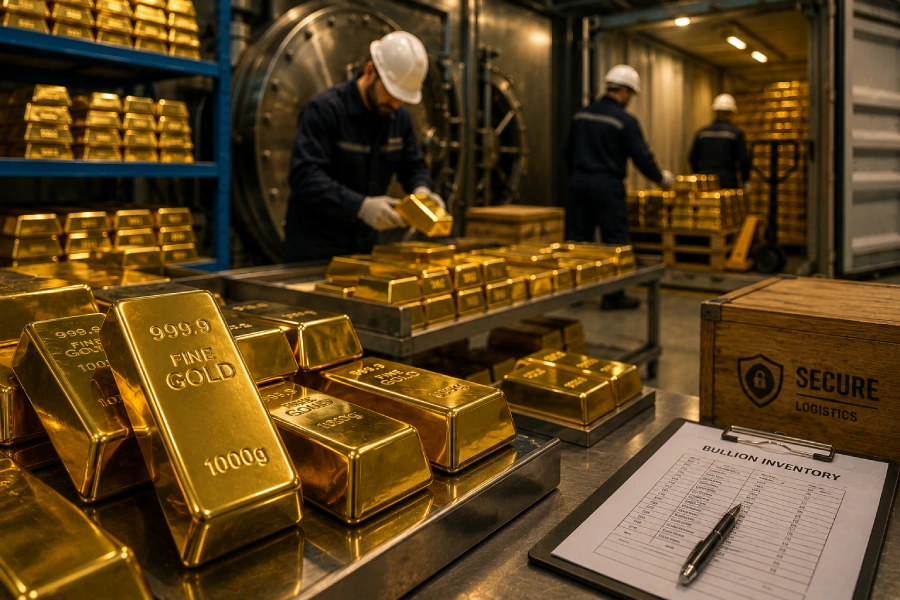
يتسارع توجه رؤوس الأموال المؤسسية الخليجية نحو أسواق الذهب المادي في آسيا، بالتزامن مع وصول الذهب الفوري إلى أعلى مستوياته في 3 أشهر واقترابه من مستوى $4,700 للأونصة. ووفقًا لما أوردته أرابيان بزنس، تعمل هونغ كونغ على توسيع بنيتها التحتية في مجالات الذهب والتكنولوجيا والتداول، بهدف جذب المستثمرين الخليجيين الباحثين عن وصول مباشر إلى ممرات النمو الآسيوية. وبالنسبة لمكاتب تداول المعادن الثمينة في دبي والمنطقة الأوسع، فإن هذا التقارب الهيكلي بين السيولة في الشرق الأوسط ومراكز التداول في شرق آسيا يمثل تطورًا مهمًا في تدفقات التجارة الفعلية، ويوفر للتجار الإقليميين خيارات أوسع للتخزين الآمن والمقاصة خارج المراكز الغربية التقليدية.
ويتزامن هذا التحول شرقًا مع موجة صعود قوية في أسواق السبائك. ووفقًا لما أوردته إنفستينغ دوت كوم، واصل الذهب الفوري مكاسبه الأسبوعية الحادة، مسجلًا لفترة وجيزة أعلى مستوى له في 3 أشهر، ليصبح على مقربة من $4,700 للأونصة. ويأتي هذا الارتفاع مدفوعًا بإشارات قوية من سوق السندات في واشنطن. كما أفاد ماينينغ دوت كوم اليوم بأن أسعار الذهب اكتسبت زخمًا صعوديًا قويًا بعد ظهور إشارات إلى إمكانية استخدام وزير الخزانة الأمريكي سكوت بيسنت جزءًا من رصيد نقدي يبلغ $935 مليار لتمويل عمليات إعادة شراء سندات الخزانة. وقد ضغط احتمال توسيع عمليات إعادة شراء السندات على الدولار الأمريكي وخفّض عوائد السندات طويلة الأجل، مما دفع المستثمرين المؤسسيين نحو المعادن الثمينة بالتزامن مع تصاعد التوترات التجارية العالمية.
وبالنسبة لتجار الذهب بالجملة في الشرق الأوسط، فإن هذا الارتفاع السريع في الأسعار يخلق تحديات تشغيلية مباشرة. فقد ارتفعت تكاليف استيراد سبائك الكيلو والذهب النقي بدرجة 9999 إلى مراكز الخليج بالتوازي مع صعود الأسعار العالمية القياسية للذهب. كما تتعرض العلاوات السعرية المحلية في أسواق الذهب الإقليمية للضغط، مع تردد المشترين الأفراد أمام الأسعار القريبة من مستويات قياسية، الأمر الذي يدفع تجار الجملة إلى تضييق فروق أسعار البيع والشراء للحفاظ على حركة التداول. وفي الوقت نفسه، أصبحت المخزونات غير المحوطة أكثر عرضة للمخاطر عند هذه المستويات المرتفعة، مما يدفع مكاتب التداول إلى استخدام أدوات التحوط بالمشتقات ومراقبة متطلبات الهامش اليومية مع ارتفاع مستويات التقلب.
وعلى مستوى المشترين، يظهر انقسام واضح بين سلوك المستثمرين المؤسسيين والمشترين الأفراد. فالمؤسسات الاستثمارية في دول مجلس التعاون الخليجي تزيد من مخصصاتها للذهب المادي، مستفيدة من الممرات الجديدة مثل هونغ كونغ لتنويع الأصول وتأمين المعدن داخل مرافق تخزين آمنة. وفي المقابل، يظهر مشترو المجوهرات والسبائك الأفراد في دبي والأسواق الإقليمية حساسية أكبر تجاه الأسعار، مما أدى إلى تباطؤ مؤقت في المشتريات غير الضرورية، إلى جانب ارتفاع ملحوظ في عمليات إعادة شراء الذهب المستعمل محليًا مع استفادة المستهلكين من ارتفاع الأسعار الفورية.
وتعزز التطورات المتعلقة بالإمدادات العالمية حالة الشح في السوق المادية التي تواجهها مكاتب التداول. ووفقًا لما أوردته ماينينغ دوت كوم، تواصل شركات التعدين الكبرى ضخ رؤوس الأموال بقوة لتأمين احتياطيات مستقبلية، حيث استحوذت أغنيكو إيغل على حصة بقيمة $41 مليون في شركة تطوير صغيرة في كيبيك، بينما عززت غولد فيلدز موقعها في مشروع أنتينو في سورينام من خلال صفقة بقيمة $55 مليون. ومع ذلك، لا تزال سلسلة الإمدادات تواجه اضطرابات؛ فقد تعرض مشروع كي إس إم الضخم التابع لشركة سيبريدج غولد في كولومبيا البريطانية لانتكاسة بعد أن سحبت حكومة غيتكسان هويلب المحلية دعمها طويل الأمد للمشروع، بينما شهدت كولومبيا حادثًا مأساويًا أسفر عن وفاة 13 عاملًا إثر انهيار منجم مفتوح.
ومع استمرار مشاريع تطوير المناجم عالميًا في مواجهة تحديات سياسية وتشغيلية، يتعين على تجار الجملة في المنطقة الاستعداد لاستمرار الضغوط الهيكلية على إمدادات المواد الخام. ومن المرجح أن تظل أحجام تداول الذهب المادي في الشرق الأوسط مرتبطة بشكل كبير بإعلانات السياسة المالية الأمريكية خلال المدى القريب، في الوقت الذي يمكن فيه لمكاتب التداول الاستفادة من توسع الممرات الاستثمارية المؤسسية نحو آسيا لإدارة المخزون المادي والسيولة بصورة أكثر كفاءة.